ammentus/amˈmentus/masc. plural noun — remembrance: the act of remembering, the faculty of memory, and the thing remembered. Sardinian, plural of amméntu. Ditzionàriu de sa limba e de sa cultura sarda · Mario Puddu
Una ricordanza quasi fisica
Grazia Deledda · Elias Portolu, 1903
Every ride leaves a trace. Here we give it back to you: a map that answers, the numbers, the mark of every time you rode there.
There are two ways to remember a bike ride.
The photographsWhat you saw: the light, the scrub, the spot where you stopped to look back.
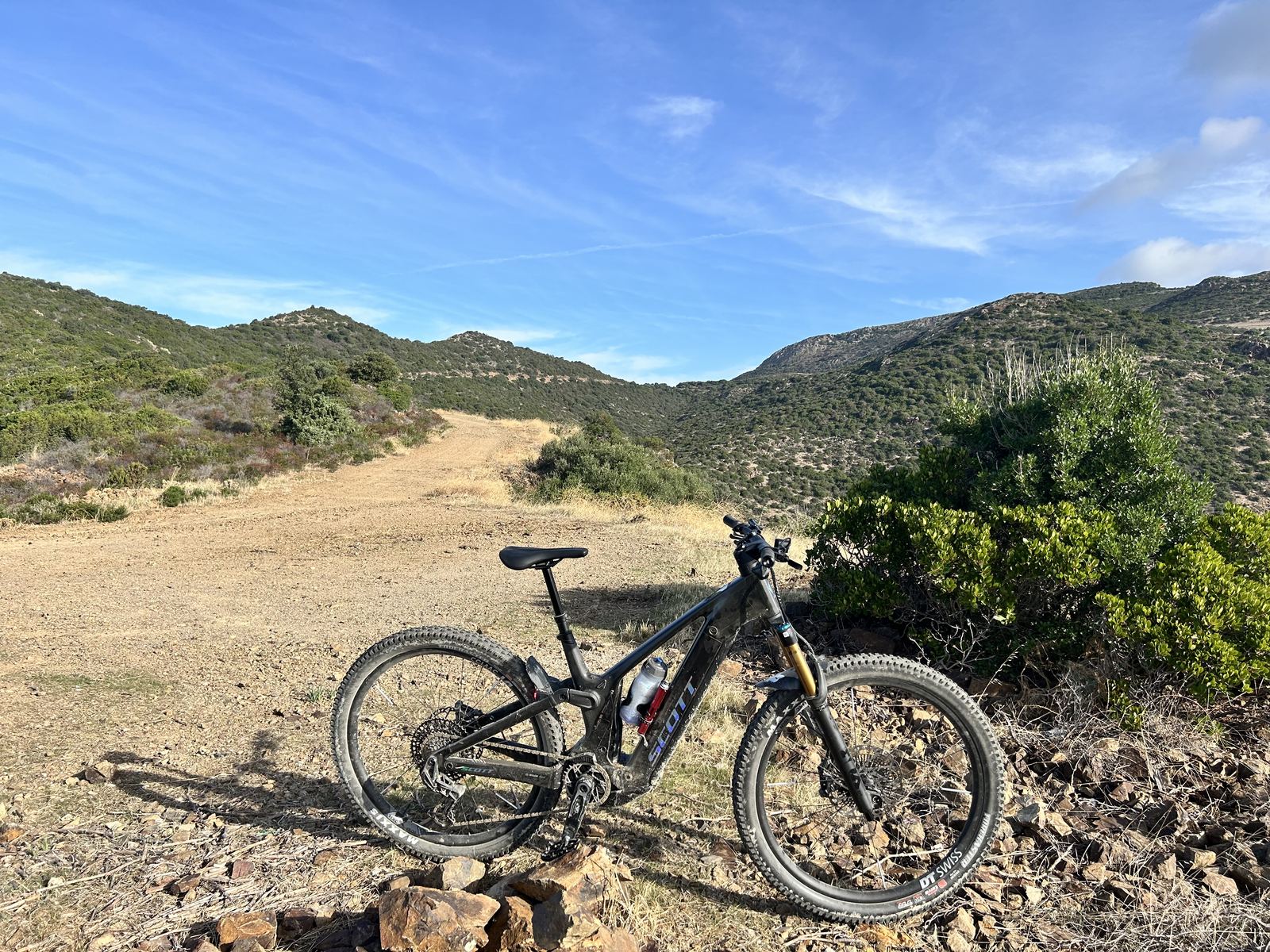
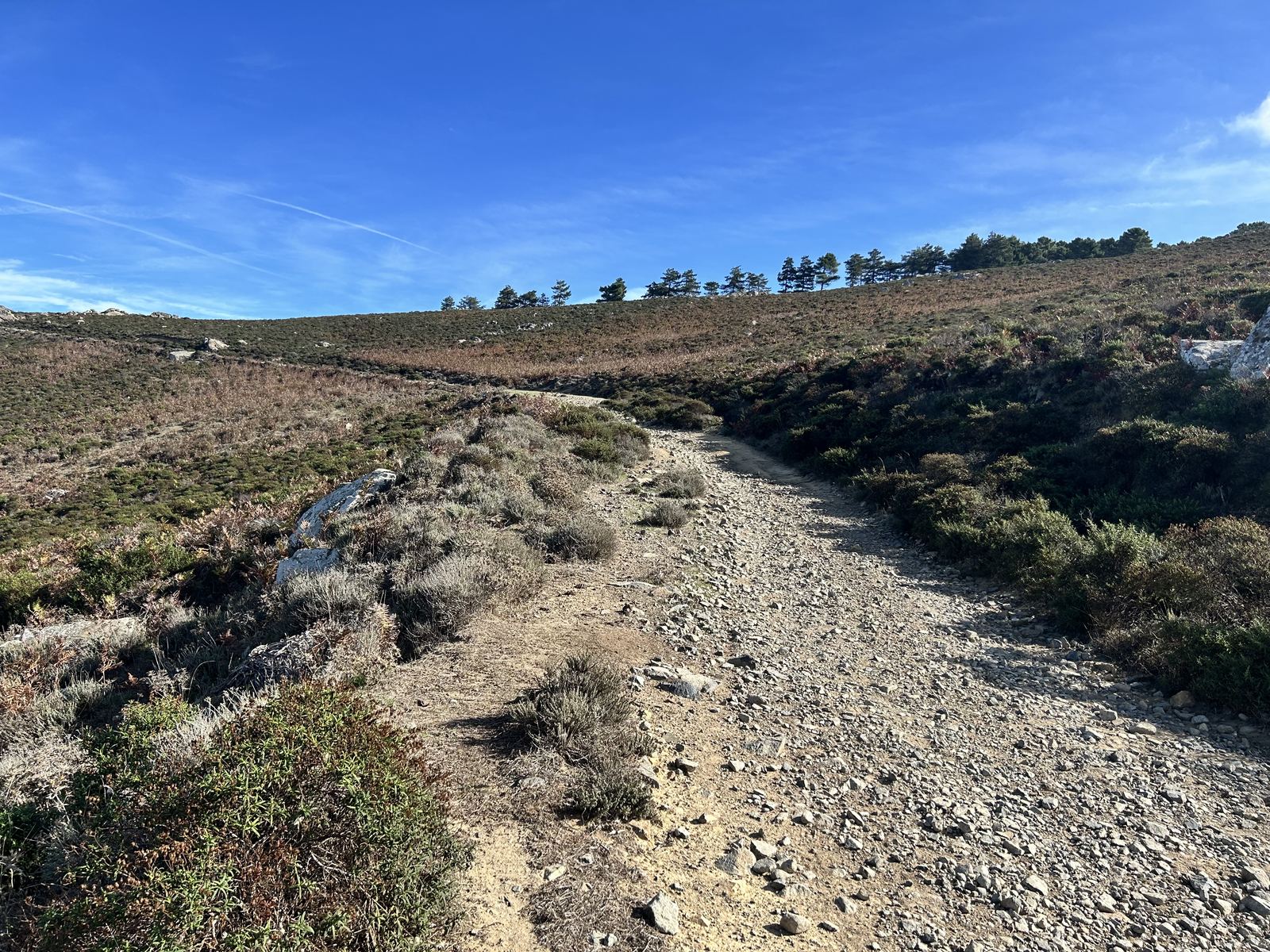
AmmentusWhat you felt in your legs: the gradient, the push, the breath. The part no photograph holds on to.
Assistance and motor push: estimated by the Ammentus engine
Heart rate comes from the Strava recording of the same ride, aligned by timestamp
A ride is not a total. It is a route made of different stretches, and each one has a story: where you pushed, where you let the motor work, where you have passed ten times without noticing.
Colour the track by whatever matters to you — gradient, power, speed, heart rate, estimated assistance — and read the route instead of scrolling a table.
Distributions, averages that do not lie, climb against descent, battery drain along the track.
Every track laid over a single map, coloured by how many times you have ridden each stretch. Your habitual roads emerge on their own.
FIT and GPX files, Bosch eBike Flow, Strava. If the same ride is recorded twice, Ammentus recognises the pair and merges it, instead of keeping two half copies.
The bike records speed, elevation, leg power and heart rate. Everything else is derived by Ammentus. Nearly five kilometres of climbing on the Serpeddì, three hundred and sixty metres of ascent, 10 May 2025: drag along the profile to stop wherever you like.
Bosch does not report it: there is no assistance figure to read. Ammentus derives it from the energy, stretch by stretch — and you can see where the motor did not push at all, on the parts where the gradient eases and the legs are enough.
Five point two watt-hours lost into the wind, barely one given back when it turns: net, like twelve metres of extra climbing. Over the whole ride it becomes sixty-two. The books never balance, because air resistance grows with the square of speed.
Legs and motor added together, kilometre by kilometre. It is the measure that lets you compare two different rides: the same climb, a year later, with how much less energy.
Cardiac efficiency drops from 1.05 to 0.65 between the first and second half, while the heart rate stays at 157: a hundred and sixty-six watts from the legs become a hundred and two, with the same heart. That is fatigue accumulating, and it shows in the number before it shows in the legs.
A model that estimates is judged on one thing only: how close it gets. A hundred and fourteen rides where the bike reported its own percentage, set against the estimate. On the forty-four ridden with today’s motor the mean deviation is 2.6 points, and eight in ten fall under five. The highlighted dot is this climb, ridden with the previous motor: 48 reported, 48.6 estimated.
Drag here to move along the climb
The readings are derived from the Ammentus model, not read from the bike. Speed, elevation, leg power and heart rate are measured — the last of these from the Strava recording of the same ride. Real wind from Open-Meteo.
Four screens — the ones you actually use.


Ammentus has no accounts and no server where your rides end up. The analysis happens in the browser, on your device, and the files never leave it.
In preparation
The free version is complete for everyday use. The Pro version is in preparation: it is not on sale yet and cannot be purchased.
Open AmmentusNo. Open the address, load your files, and it works. Your tracks stay on the device you are using: if you want them elsewhere, you export them and load them again.
If your system exports a FIT or GPX file, yes. With Bosch eBike Flow there is also a direct connection, bringing in speed, crank power and cadence.
The Ammentus engine works them out. It simulates the mechanics of pedalling — mass, gradient, air, drivetrain efficiency — and refines those simulations against the real data of the ride. If you enter the end-of-ride totals, the model measures itself against them.
Strava is a place to share rides. Ammentus is a tool for looking at them closely, afterwards. You can use both: Strava tracks import fine.
The Pro version is not on sale yet. When it is, the key will be personal and verified offline: you will enter it on every device you use.
